Fall has a way of changing the atmosphere. Earlier sunsets. Longer evenings. Pumpkin everything.
For me, October and November also brought something less welcome: seasonal affective disorder, or SAD.
I eventually recognized a pattern in my own experience. These were the months when I noticed the changes most. The shifting daylight, followed by the clock change, made it feel as though my internal clock was struggling to catch up.
Recognizing that pattern helped me pay closer attention to the relationship between light and how I felt. It’s also why I want more people to understand seasonal mood changes without blaming themselves for having them.
What Is Seasonal Affective Disorder?
Seasonal affective disorder is a form of depression that follows a recurring seasonal pattern. Winter-pattern SAD typically begins in fall or winter and improves in spring or summer. It can affect mood, energy, sleep, appetite, and daily functioning. It deserves more attention than a casual “I just don’t like winter.”
My own experience centers on October and November, but that isn’t everyone’s timeline. Your symptoms don’t have to match mine to deserve care.
Why Can Shorter Days Affect Your Mood?
Light helps regulate the body’s circadian rhythm, the internal timing system involved in sleep and wakefulness.
Researchers are still studying what causes SAD. Seasonal daylight changes may affect serotonin and melatonin, which help regulate mood, sleep, and daily rhythms. For some people, adapting to shorter days becomes difficult.
In my experience, the fall clock change adds another adjustment during an already challenging season. That personal observation doesn’t mean daylight saving time alone causes SAD. It does explain why I pay attention to this transition.
Your body doesn’t necessarily read the clock on the microwave and say, “Wonderful. Fully adjusted.”
Does Light Therapy Help Seasonal Affective Disorder?
Bright light therapy is an established treatment for winter-pattern SAD. It uses a purpose-designed light box to provide bright light during darker months. Treatment timing, distance, and duration matter, so choosing a device involves more than finding a lamp labeled “sunshine.”
A clinician can help determine whether light therapy fits your symptoms and medical history. It may be part of a broader treatment plan that includes psychotherapy or medication.
The goal is to find appropriate support, rather than expecting one purchase to handle every aspect of your mental health.
What Should You Know About SOLshine?
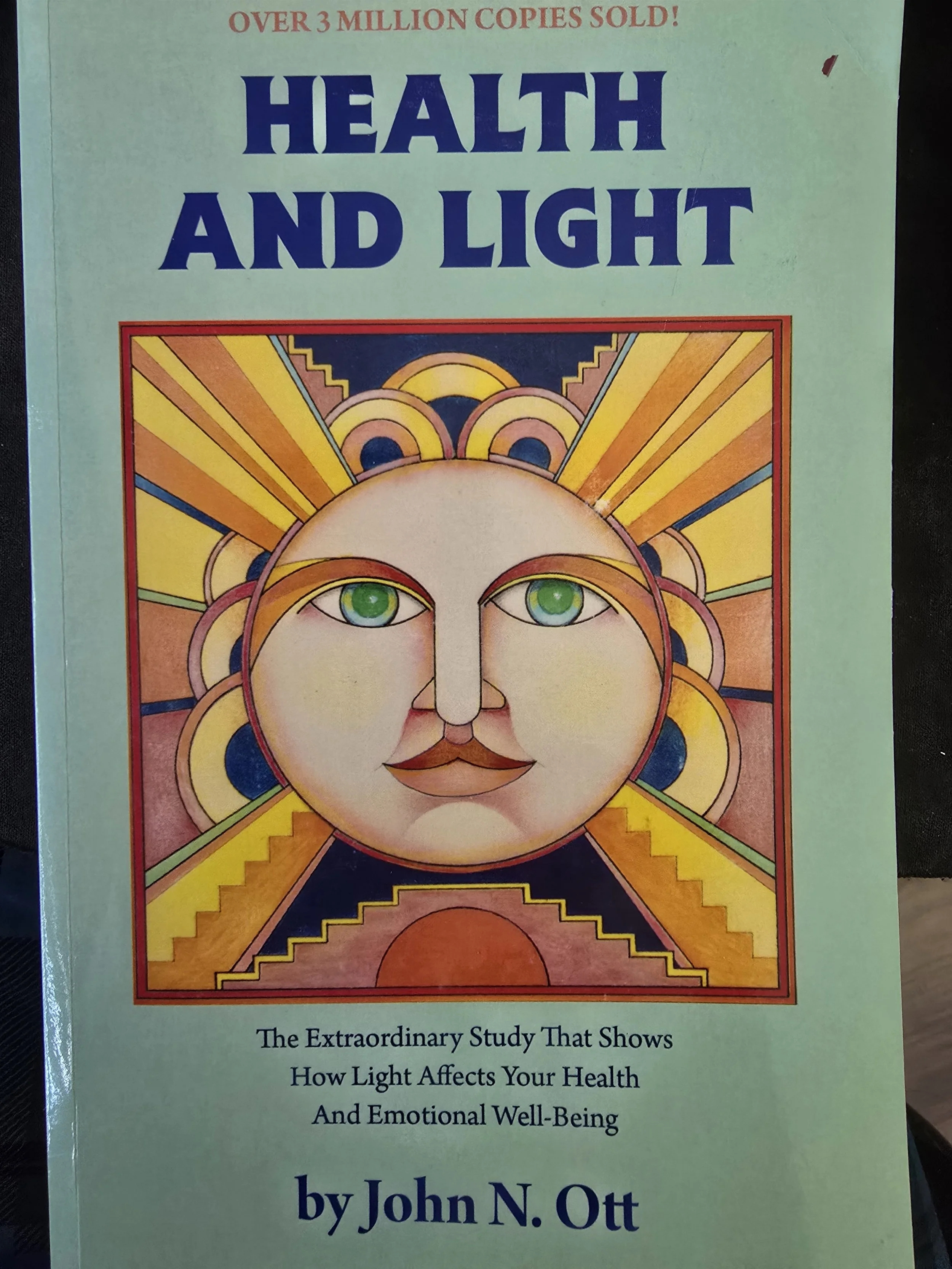
I’m an affiliate partner with SOLshine, a company that markets lighting using its Nutritional Light™ technology. I sought them out after reading a book by John N Ott entitled ‘Light and Health’ that made me realize how every living being’s physiology is affected by light.
Affiliate disclosure: I earn a small commission from purchases made through my affiliate link and pass on half the savings to you.
SOLshine describes its approach as including visible light, red and near-infrared wavelengths, and a trace amount of ultraviolet light. Those are the manufacturer’s product descriptions, rather than proof that its lights outperform established SAD treatments.
That distinction matters. Standard SAD light therapy guidance describes light boxes that filter out ultraviolet light. Before choosing a product, discuss its specifications and suitability with your clinician. A broader spectrum alone doesn’t establish that a light is better for treating depression.
How Can You Start Paying Attention to Seasonal Changes?
Start by noticing your own pattern. Consider keeping a brief record of your mood, sleep, energy, and when changes begin. Bring those observations to your healthcare appointment.
Ask about your daily light exposure, sleep schedule, and whether a seasonal treatment plan makes sense for you.
If you have an eye condition or take medication that increases light sensitivity, seek medical guidance before using a light therapy device.
When Should You Seek Support?
If seasonal changes interfere with your work, relationships, or everyday life, reach out to a healthcare professional. You don’t have to wait until you’re barely getting through the day.
Living with SAD has made this topic personal for me. Recognizing my seasonal pattern gave me a clearer starting point for understanding what was happening.
If fall feels different for you, too, let’s talk. Contact FAIM Health to discuss your concerns and explore appropriate next steps.